Warum deine lockeren Fahrten ständig in halbe Krafteinheiten ausarten

May 22, 2026
Warum deine lockeren Fahrten ständig in halbe Krafteinheiten ausarten
May 22, 2026
Warum deine lockeren Fahrten ständig in halbe Krafteinheiten ausarten
May 22, 2026
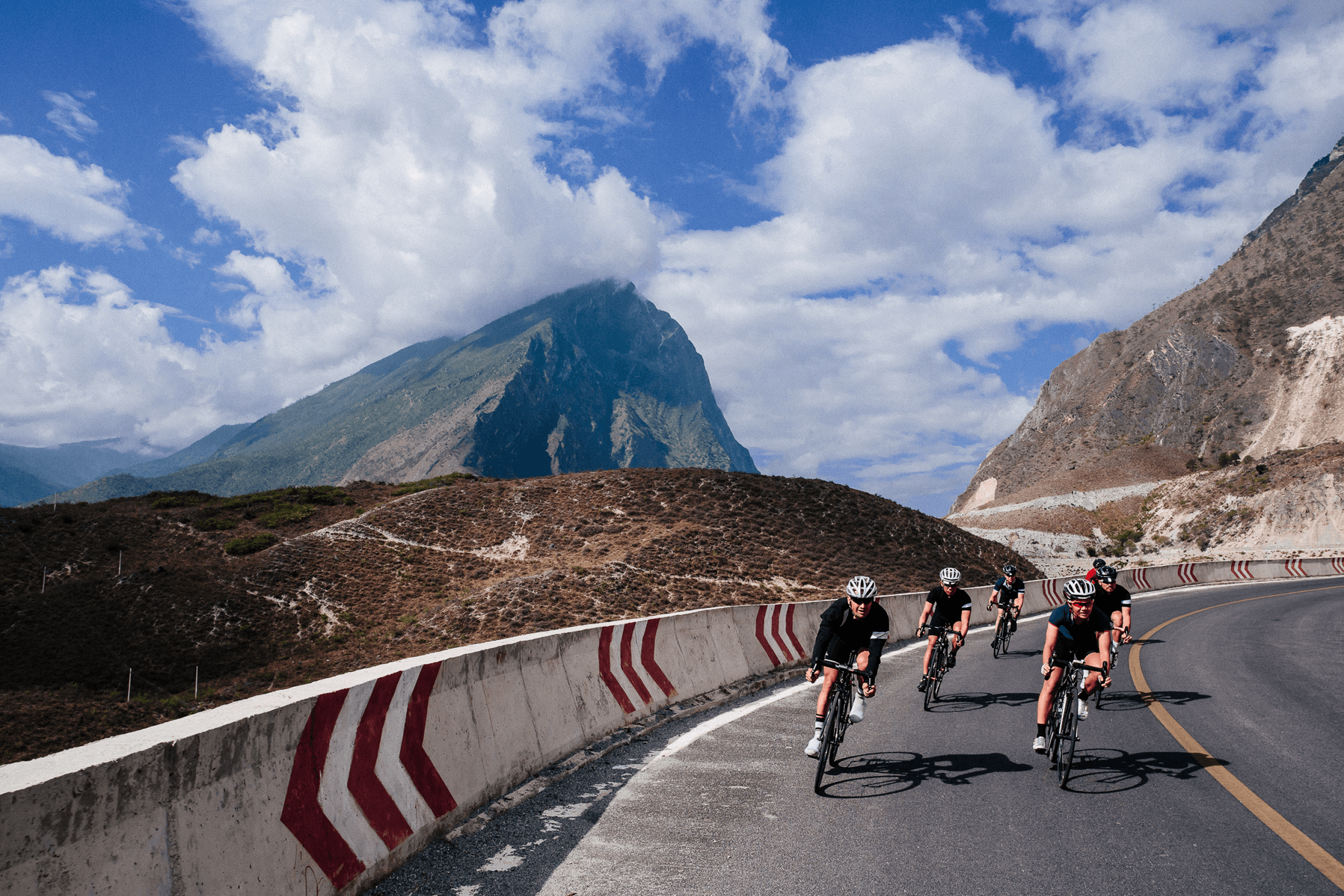
Du brichst zu einer entspannten Ausfahrt mit einem einfachen Ziel auf: locker kurbeln, ein paar Kilometer sammeln und mit mehr Energie nach Hause kommen, als du losgefahren bist. Doch irgendwo unterwegs passiert es… Ein kleiner Hügel, Rückenwind, andere RadfahrerInnen vor dir – und plötzlich ist deine „entspannte“ Runde gar nicht mehr so entspannt. Wenn du wieder zu Hause ankommst, liegt dein Ride genau dazwischen: Nicht intensiv genug für ein echtes Qualitätstraining, aber auch nicht locker genug, um deine Regeneration optimal zu fördern.
Du brichst zu einer entspannten Ausfahrt mit einem einfachen Ziel auf: locker kurbeln, ein paar Kilometer sammeln und mit mehr Energie nach Hause kommen, als du losgefahren bist. Doch irgendwo unterwegs passiert es… Ein kleiner Hügel, Rückenwind, andere RadfahrerInnen vor dir – und plötzlich ist deine „entspannte“ Runde gar nicht mehr so entspannt. Wenn du wieder zu Hause ankommst, liegt dein Ride genau dazwischen: Nicht intensiv genug für ein echtes Qualitätstraining, aber auch nicht locker genug, um deine Regeneration optimal zu fördern.
Du brichst zu einer entspannten Ausfahrt mit einem einfachen Ziel auf: locker kurbeln, ein paar Kilometer sammeln und mit mehr Energie nach Hause kommen, als du losgefahren bist. Doch irgendwo unterwegs passiert es… Ein kleiner Hügel, Rückenwind, andere RadfahrerInnen vor dir – und plötzlich ist deine „entspannte“ Runde gar nicht mehr so entspannt. Wenn du wieder zu Hause ankommst, liegt dein Ride genau dazwischen: Nicht intensiv genug für ein echtes Qualitätstraining, aber auch nicht locker genug, um deine Regeneration optimal zu fördern.

JOIN bringt dein Radtraining weiter
Du willst smarter trainieren? JOIN erstellt personalisierte Radfahr-Trainingspläne basierend auf deinem Ziel und Fortschritt.
JOIN bringt dein Radtraining weiter
Du willst smarter trainieren? JOIN erstellt personalisierte Radfahr-Trainingspläne basierend auf deinem Ziel und Fortschritt.
JOIN bringt dein Radtraining weiter
Du willst smarter trainieren? JOIN erstellt personalisierte Radfahr-Trainingspläne basierend auf deinem Ziel und Fortschritt.
Das Problem mit „mittelharten“ Fahrten
Einer der häufigsten Trainingsfehler im Radsport ist es, lockere Fahrten in einen Bereich abdriften zu lassen, der irgendwo dazwischen liegt – nicht hart genug, um einen echten Trainingsreiz zu setzen, aber auch nicht locker genug, um sich wirklich zu erholen und aerobes Volumen aufzubauen. Lockere und harte Einheiten haben völlig unterschiedliche Aufgaben. Wenn eine lockere Fahrt an Intensität gewinnt, erfüllt sie ihren Zweck nicht mehr richtig. Du ermüdest deine Beine zusätzlich, ohne den vollen Nutzen einer echten harten Einheit zu haben. Darunter leidet dann auch deine nächste Schlüsseleinheit. Halte die lockeren Tage locker, damit die harten Tage auch wirklich zählen.
Warum das passiert
Lockeres Fahren kann sich unproduktiv anfühlen – so als ob es nicht wirklich zählt, wenn es nicht ein bisschen wehtut. Aber das geht völlig am Thema vorbei. Lockere Fahrten müssen sich nicht beeindruckend anfühlen. Ihr Wert liegt darin, wie sie alles andere in deiner Trainingswoche unterstützen. Ohne eine klare Obergrenze bei der Intensität neigt man dazu, das Tempo unbemerkt zu steigern – und draußen passiert das schneller, als du denkst. Wind, Gelände, Verkehr und andere RadfahrerInnen treiben das Tempo in die Höhe, ohne dass du es merkst. Der Preis dafür zeigt sich selten sofort; die Fahrt fühlt sich immer noch gut an. Aber er wird später in der Woche fällig, wenn sich deine Beine schwer anfühlen, deine Intervalle kraftlos wirken und die Erholung länger dauert, als sie sollte.
Das Problem mit dem Ego
Es gibt noch einen weiteren Grund, warum lockere Fahrten aus dem Ruder laufen, und den gibt man sich selbst nur ungern zu: das Ego. Die meisten von uns sind nicht nur zum Trainieren da draußen, wir wissen auch, dass unsere Fahrt beobachtet wird. Strava-Segmente, Kudos, wöchentliche Bestenlisten, der eine Radfahrer oder die eine Radfahrerin in deinem Verein, die immer zu fliegen scheint – all das ist an sich nicht schlecht, aber es erhöht unbemerkt das Grundtempo bei jeder deiner Fahrten. Du siehst ein Segment vor dir und kannst dich einfach nicht zurückhalten. Du bemerkst, dass dir letzte Woche jemand den KOM weggeschnappt hat. Du weißt, dass deine Follower deine Aktivität sehen werden. Und plötzlich zieht das Tempo an – nicht, weil die Einheit es verlangt, sondern weil du nicht willst, dass deine Fahrt nach „Kaffeefahrt“ aussieht.
Das Problem ist, dass das Ego sich nicht darum schert, wofür die Fahrt eigentlich gedacht ist. Es will einfach nur, dass die Zahlen vorzeigbar sind. Aber in dem Moment, in dem du anfängst, für die Optik deines Profils zu fahren und nicht für das, was dein Körper eigentlich braucht, folgst du nicht mehr deinem Plan.
Eine der einfachsten Lösungen ist es, das Publikum auszusperren. Stelle deine lockeren Fahrten auf privat. Schalte Live-Segmente aus. Wenn du dich dabei ertappst, wie du mitten in der Fahrt die Bestenliste checkst, solltest du vielleicht für ein paar Wochen komplett auf Strava verzichten und schauen, wie sich dein Training ohne den Druck anfühlt. Viele RadfahrerInnen sind überrascht, wie viel entspannter ihre lockeren Tage werden, wenn niemand mehr zuschaut. Die Fahrt muss nichts beweisen. Sie muss einfach nur ihren Zweck erfüllen.
Wozu lockere Fahrten eigentlich da sind
Lockere Fahrten sind kein Lückenfüller – sie haben eine klare Funktion. Sie helfen dir, Trainingsvolumen ohne zu große Ermüdung aufzubauen, unterstützen die Regeneration und stärken die aerobe Fitness bei geringer Belastung. Vor allem aber sorgen sie dafür, dass du genug Körner übrig hast, um deine harten Einheiten richtig durchzuziehen.
Und genau hier machen viele RadfahrerInnen den Fehler. Jedes Mal, wenn aus einer lockeren Fahrt eine mittelschwere wird, geht das auf Kosten der Qualität der restlichen Woche.
Wie du lockere Fahrten auch wirklich locker hältst
Definiere vor dem Start, was „locker“ für dich heute bedeutet. Das kann eine Obergrenze für die Herzfrequenz sein, ein bestimmter Wattbereich oder einfach ein Tempo, bei dem du völlig entspannt atmen und dich problemlos unterhalten kannst. Akzeptiere auch, dass sich „locker“ extrem leicht anfühlen kann, besonders wenn du frisch bist. Das bedeutet nicht, dass du zu wenig trainierst, sondern dass du genau in der Intensität fährst, die die Einheit erfordert.
Auch die Streckenwahl spielt eine Rolle. Wenn deine lockere Runde voller Anstiege, schneller Abschnitte oder ständiger Verlockungen ist, wird es viel schwerer, dich zu zügeln. Eine flachere, ruhigere Strecke funktioniert meistens besser.
Gruppenfahrten können ebenfalls ein Problem sein. Das lockere Tempo von jemand anderem ist vielleicht nicht dein lockeres Tempo. Wenn deine Erholungsfahrten am Ende immer ausarten, ist es oft besser, alleine zu fahren.
Stelle dir während der Fahrt immer wieder diese eine Frage: Was soll diese Fahrt heute für mich tun? Wenn die Antwort „Erholung“ oder „lockeres Grundlagentraining“ lautet, macht schnelleres Fahren die Einheit nicht besser. Es macht sie nur zu etwas anderem.
Lockeres Fahren ist eine Kunst
Viele RadfahrerInnen glauben, dass langsames Fahren von ganz alleine geht, aber in Wahrheit erfordert es echte Disziplin. Es bedeutet, sich zurückzuhalten, wenn die Beine sich gut anfühlen, zu akzeptieren, dass eine Fahrt auf dem Papier vielleicht nicht spektakulär aussieht, und darauf zu vertrauen, dass das Training bei niedriger Intensität einen echten Wert hat. Die Versuchung, Gas zu geben, ist immer da. Aber die RadfahrerInnen, die sich am konstantesten verbessern, sind selten diejenigen, die sich jeden Tag völlig verausgaben. Es sind diejenigen, die verstehen, wozu jede einzelne Fahrt dient, und die Disziplin haben, sich an den Plan zu halten.
Kontrolliert fahren, Fortschritte sichern
Wenn deine lockeren Fahrten ständig in den mittelschweren Bereich abdriften, liegt das meistens nicht an mangelnder Motivation, sondern an fehlender Kontrolle. Erholungsfahrten sollen dir helfen, das Training zu verarbeiten, deine Fitness mit geringem Aufwand aufzubauen und dich auf qualitativ hochwertigere Einheiten später in der Woche vorzubereiten. Sobald sie in diesen Graubereich abdriften, erzeugen sie Ermüdung, ohne dass du den vollen Nutzen einer echten Erholungsfahrt oder einer echten harten Einheit hast. Wenn dein Plan also sagt „lass es ruhig angehen“, dann vertraue darauf. Halte die Belastung niedrig, fahre kontrolliert und komme mit dem Gefühl nach Hause, dass du noch jede Menge Kraft übrig hast. Das ist kein verschenktes Training, das ist smartes Training.
Das Problem mit „mittelharten“ Fahrten
Einer der häufigsten Trainingsfehler im Radsport ist es, lockere Fahrten in einen Bereich abdriften zu lassen, der irgendwo dazwischen liegt – nicht hart genug, um einen echten Trainingsreiz zu setzen, aber auch nicht locker genug, um sich wirklich zu erholen und aerobes Volumen aufzubauen. Lockere und harte Einheiten haben völlig unterschiedliche Aufgaben. Wenn eine lockere Fahrt an Intensität gewinnt, erfüllt sie ihren Zweck nicht mehr richtig. Du ermüdest deine Beine zusätzlich, ohne den vollen Nutzen einer echten harten Einheit zu haben. Darunter leidet dann auch deine nächste Schlüsseleinheit. Halte die lockeren Tage locker, damit die harten Tage auch wirklich zählen.
Warum das passiert
Lockeres Fahren kann sich unproduktiv anfühlen – so als ob es nicht wirklich zählt, wenn es nicht ein bisschen wehtut. Aber das geht völlig am Thema vorbei. Lockere Fahrten müssen sich nicht beeindruckend anfühlen. Ihr Wert liegt darin, wie sie alles andere in deiner Trainingswoche unterstützen. Ohne eine klare Obergrenze bei der Intensität neigt man dazu, das Tempo unbemerkt zu steigern – und draußen passiert das schneller, als du denkst. Wind, Gelände, Verkehr und andere RadfahrerInnen treiben das Tempo in die Höhe, ohne dass du es merkst. Der Preis dafür zeigt sich selten sofort; die Fahrt fühlt sich immer noch gut an. Aber er wird später in der Woche fällig, wenn sich deine Beine schwer anfühlen, deine Intervalle kraftlos wirken und die Erholung länger dauert, als sie sollte.
Das Problem mit dem Ego
Es gibt noch einen weiteren Grund, warum lockere Fahrten aus dem Ruder laufen, und den gibt man sich selbst nur ungern zu: das Ego. Die meisten von uns sind nicht nur zum Trainieren da draußen, wir wissen auch, dass unsere Fahrt beobachtet wird. Strava-Segmente, Kudos, wöchentliche Bestenlisten, der eine Radfahrer oder die eine Radfahrerin in deinem Verein, die immer zu fliegen scheint – all das ist an sich nicht schlecht, aber es erhöht unbemerkt das Grundtempo bei jeder deiner Fahrten. Du siehst ein Segment vor dir und kannst dich einfach nicht zurückhalten. Du bemerkst, dass dir letzte Woche jemand den KOM weggeschnappt hat. Du weißt, dass deine Follower deine Aktivität sehen werden. Und plötzlich zieht das Tempo an – nicht, weil die Einheit es verlangt, sondern weil du nicht willst, dass deine Fahrt nach „Kaffeefahrt“ aussieht.
Das Problem ist, dass das Ego sich nicht darum schert, wofür die Fahrt eigentlich gedacht ist. Es will einfach nur, dass die Zahlen vorzeigbar sind. Aber in dem Moment, in dem du anfängst, für die Optik deines Profils zu fahren und nicht für das, was dein Körper eigentlich braucht, folgst du nicht mehr deinem Plan.
Eine der einfachsten Lösungen ist es, das Publikum auszusperren. Stelle deine lockeren Fahrten auf privat. Schalte Live-Segmente aus. Wenn du dich dabei ertappst, wie du mitten in der Fahrt die Bestenliste checkst, solltest du vielleicht für ein paar Wochen komplett auf Strava verzichten und schauen, wie sich dein Training ohne den Druck anfühlt. Viele RadfahrerInnen sind überrascht, wie viel entspannter ihre lockeren Tage werden, wenn niemand mehr zuschaut. Die Fahrt muss nichts beweisen. Sie muss einfach nur ihren Zweck erfüllen.
Wozu lockere Fahrten eigentlich da sind
Lockere Fahrten sind kein Lückenfüller – sie haben eine klare Funktion. Sie helfen dir, Trainingsvolumen ohne zu große Ermüdung aufzubauen, unterstützen die Regeneration und stärken die aerobe Fitness bei geringer Belastung. Vor allem aber sorgen sie dafür, dass du genug Körner übrig hast, um deine harten Einheiten richtig durchzuziehen.
Und genau hier machen viele RadfahrerInnen den Fehler. Jedes Mal, wenn aus einer lockeren Fahrt eine mittelschwere wird, geht das auf Kosten der Qualität der restlichen Woche.
Wie du lockere Fahrten auch wirklich locker hältst
Definiere vor dem Start, was „locker“ für dich heute bedeutet. Das kann eine Obergrenze für die Herzfrequenz sein, ein bestimmter Wattbereich oder einfach ein Tempo, bei dem du völlig entspannt atmen und dich problemlos unterhalten kannst. Akzeptiere auch, dass sich „locker“ extrem leicht anfühlen kann, besonders wenn du frisch bist. Das bedeutet nicht, dass du zu wenig trainierst, sondern dass du genau in der Intensität fährst, die die Einheit erfordert.
Auch die Streckenwahl spielt eine Rolle. Wenn deine lockere Runde voller Anstiege, schneller Abschnitte oder ständiger Verlockungen ist, wird es viel schwerer, dich zu zügeln. Eine flachere, ruhigere Strecke funktioniert meistens besser.
Gruppenfahrten können ebenfalls ein Problem sein. Das lockere Tempo von jemand anderem ist vielleicht nicht dein lockeres Tempo. Wenn deine Erholungsfahrten am Ende immer ausarten, ist es oft besser, alleine zu fahren.
Stelle dir während der Fahrt immer wieder diese eine Frage: Was soll diese Fahrt heute für mich tun? Wenn die Antwort „Erholung“ oder „lockeres Grundlagentraining“ lautet, macht schnelleres Fahren die Einheit nicht besser. Es macht sie nur zu etwas anderem.
Lockeres Fahren ist eine Kunst
Viele RadfahrerInnen glauben, dass langsames Fahren von ganz alleine geht, aber in Wahrheit erfordert es echte Disziplin. Es bedeutet, sich zurückzuhalten, wenn die Beine sich gut anfühlen, zu akzeptieren, dass eine Fahrt auf dem Papier vielleicht nicht spektakulär aussieht, und darauf zu vertrauen, dass das Training bei niedriger Intensität einen echten Wert hat. Die Versuchung, Gas zu geben, ist immer da. Aber die RadfahrerInnen, die sich am konstantesten verbessern, sind selten diejenigen, die sich jeden Tag völlig verausgaben. Es sind diejenigen, die verstehen, wozu jede einzelne Fahrt dient, und die Disziplin haben, sich an den Plan zu halten.
Kontrolliert fahren, Fortschritte sichern
Wenn deine lockeren Fahrten ständig in den mittelschweren Bereich abdriften, liegt das meistens nicht an mangelnder Motivation, sondern an fehlender Kontrolle. Erholungsfahrten sollen dir helfen, das Training zu verarbeiten, deine Fitness mit geringem Aufwand aufzubauen und dich auf qualitativ hochwertigere Einheiten später in der Woche vorzubereiten. Sobald sie in diesen Graubereich abdriften, erzeugen sie Ermüdung, ohne dass du den vollen Nutzen einer echten Erholungsfahrt oder einer echten harten Einheit hast. Wenn dein Plan also sagt „lass es ruhig angehen“, dann vertraue darauf. Halte die Belastung niedrig, fahre kontrolliert und komme mit dem Gefühl nach Hause, dass du noch jede Menge Kraft übrig hast. Das ist kein verschenktes Training, das ist smartes Training.
Das Problem mit „mittelharten“ Fahrten
Einer der häufigsten Trainingsfehler im Radsport ist es, lockere Fahrten in einen Bereich abdriften zu lassen, der irgendwo dazwischen liegt – nicht hart genug, um einen echten Trainingsreiz zu setzen, aber auch nicht locker genug, um sich wirklich zu erholen und aerobes Volumen aufzubauen. Lockere und harte Einheiten haben völlig unterschiedliche Aufgaben. Wenn eine lockere Fahrt an Intensität gewinnt, erfüllt sie ihren Zweck nicht mehr richtig. Du ermüdest deine Beine zusätzlich, ohne den vollen Nutzen einer echten harten Einheit zu haben. Darunter leidet dann auch deine nächste Schlüsseleinheit. Halte die lockeren Tage locker, damit die harten Tage auch wirklich zählen.
Warum das passiert
Lockeres Fahren kann sich unproduktiv anfühlen – so als ob es nicht wirklich zählt, wenn es nicht ein bisschen wehtut. Aber das geht völlig am Thema vorbei. Lockere Fahrten müssen sich nicht beeindruckend anfühlen. Ihr Wert liegt darin, wie sie alles andere in deiner Trainingswoche unterstützen. Ohne eine klare Obergrenze bei der Intensität neigt man dazu, das Tempo unbemerkt zu steigern – und draußen passiert das schneller, als du denkst. Wind, Gelände, Verkehr und andere RadfahrerInnen treiben das Tempo in die Höhe, ohne dass du es merkst. Der Preis dafür zeigt sich selten sofort; die Fahrt fühlt sich immer noch gut an. Aber er wird später in der Woche fällig, wenn sich deine Beine schwer anfühlen, deine Intervalle kraftlos wirken und die Erholung länger dauert, als sie sollte.
Das Problem mit dem Ego
Es gibt noch einen weiteren Grund, warum lockere Fahrten aus dem Ruder laufen, und den gibt man sich selbst nur ungern zu: das Ego. Die meisten von uns sind nicht nur zum Trainieren da draußen, wir wissen auch, dass unsere Fahrt beobachtet wird. Strava-Segmente, Kudos, wöchentliche Bestenlisten, der eine Radfahrer oder die eine Radfahrerin in deinem Verein, die immer zu fliegen scheint – all das ist an sich nicht schlecht, aber es erhöht unbemerkt das Grundtempo bei jeder deiner Fahrten. Du siehst ein Segment vor dir und kannst dich einfach nicht zurückhalten. Du bemerkst, dass dir letzte Woche jemand den KOM weggeschnappt hat. Du weißt, dass deine Follower deine Aktivität sehen werden. Und plötzlich zieht das Tempo an – nicht, weil die Einheit es verlangt, sondern weil du nicht willst, dass deine Fahrt nach „Kaffeefahrt“ aussieht.
Das Problem ist, dass das Ego sich nicht darum schert, wofür die Fahrt eigentlich gedacht ist. Es will einfach nur, dass die Zahlen vorzeigbar sind. Aber in dem Moment, in dem du anfängst, für die Optik deines Profils zu fahren und nicht für das, was dein Körper eigentlich braucht, folgst du nicht mehr deinem Plan.
Eine der einfachsten Lösungen ist es, das Publikum auszusperren. Stelle deine lockeren Fahrten auf privat. Schalte Live-Segmente aus. Wenn du dich dabei ertappst, wie du mitten in der Fahrt die Bestenliste checkst, solltest du vielleicht für ein paar Wochen komplett auf Strava verzichten und schauen, wie sich dein Training ohne den Druck anfühlt. Viele RadfahrerInnen sind überrascht, wie viel entspannter ihre lockeren Tage werden, wenn niemand mehr zuschaut. Die Fahrt muss nichts beweisen. Sie muss einfach nur ihren Zweck erfüllen.
Wozu lockere Fahrten eigentlich da sind
Lockere Fahrten sind kein Lückenfüller – sie haben eine klare Funktion. Sie helfen dir, Trainingsvolumen ohne zu große Ermüdung aufzubauen, unterstützen die Regeneration und stärken die aerobe Fitness bei geringer Belastung. Vor allem aber sorgen sie dafür, dass du genug Körner übrig hast, um deine harten Einheiten richtig durchzuziehen.
Und genau hier machen viele RadfahrerInnen den Fehler. Jedes Mal, wenn aus einer lockeren Fahrt eine mittelschwere wird, geht das auf Kosten der Qualität der restlichen Woche.
Wie du lockere Fahrten auch wirklich locker hältst
Definiere vor dem Start, was „locker“ für dich heute bedeutet. Das kann eine Obergrenze für die Herzfrequenz sein, ein bestimmter Wattbereich oder einfach ein Tempo, bei dem du völlig entspannt atmen und dich problemlos unterhalten kannst. Akzeptiere auch, dass sich „locker“ extrem leicht anfühlen kann, besonders wenn du frisch bist. Das bedeutet nicht, dass du zu wenig trainierst, sondern dass du genau in der Intensität fährst, die die Einheit erfordert.
Auch die Streckenwahl spielt eine Rolle. Wenn deine lockere Runde voller Anstiege, schneller Abschnitte oder ständiger Verlockungen ist, wird es viel schwerer, dich zu zügeln. Eine flachere, ruhigere Strecke funktioniert meistens besser.
Gruppenfahrten können ebenfalls ein Problem sein. Das lockere Tempo von jemand anderem ist vielleicht nicht dein lockeres Tempo. Wenn deine Erholungsfahrten am Ende immer ausarten, ist es oft besser, alleine zu fahren.
Stelle dir während der Fahrt immer wieder diese eine Frage: Was soll diese Fahrt heute für mich tun? Wenn die Antwort „Erholung“ oder „lockeres Grundlagentraining“ lautet, macht schnelleres Fahren die Einheit nicht besser. Es macht sie nur zu etwas anderem.
Lockeres Fahren ist eine Kunst
Viele RadfahrerInnen glauben, dass langsames Fahren von ganz alleine geht, aber in Wahrheit erfordert es echte Disziplin. Es bedeutet, sich zurückzuhalten, wenn die Beine sich gut anfühlen, zu akzeptieren, dass eine Fahrt auf dem Papier vielleicht nicht spektakulär aussieht, und darauf zu vertrauen, dass das Training bei niedriger Intensität einen echten Wert hat. Die Versuchung, Gas zu geben, ist immer da. Aber die RadfahrerInnen, die sich am konstantesten verbessern, sind selten diejenigen, die sich jeden Tag völlig verausgaben. Es sind diejenigen, die verstehen, wozu jede einzelne Fahrt dient, und die Disziplin haben, sich an den Plan zu halten.
Kontrolliert fahren, Fortschritte sichern
Wenn deine lockeren Fahrten ständig in den mittelschweren Bereich abdriften, liegt das meistens nicht an mangelnder Motivation, sondern an fehlender Kontrolle. Erholungsfahrten sollen dir helfen, das Training zu verarbeiten, deine Fitness mit geringem Aufwand aufzubauen und dich auf qualitativ hochwertigere Einheiten später in der Woche vorzubereiten. Sobald sie in diesen Graubereich abdriften, erzeugen sie Ermüdung, ohne dass du den vollen Nutzen einer echten Erholungsfahrt oder einer echten harten Einheit hast. Wenn dein Plan also sagt „lass es ruhig angehen“, dann vertraue darauf. Halte die Belastung niedrig, fahre kontrolliert und komme mit dem Gefühl nach Hause, dass du noch jede Menge Kraft übrig hast. Das ist kein verschenktes Training, das ist smartes Training.
Noch mehr spannende Artikel für dich
Entdecke wertvolle Trainingstipps, um deine Leistung als RadfahrerIn noch weiter zu steigern.


Noch mehr spannende Artikel für dich
Entdecke wertvolle Trainingstipps, um deine Leistung als RadfahrerIn noch weiter zu steigern.
Noch mehr spannende Artikel für dich
Entdecke wertvolle Trainingstipps, um deine Leistung als RadfahrerIn noch weiter zu steigern.

Entfessle noch heute Dein volles RadfahrerInnen-Potenzial
Werde Teil von Tausenden RadfahrerInnen, die ihre Leistung mit den Trainingsplänen von JOIN bereits verbessert haben.
Entfessle noch heute Dein volles RadfahrerInnen-Potenzial
Werde Teil von Tausenden RadfahrerInnen, die ihre Leistung mit den Trainingsplänen von JOIN bereits verbessert haben.
Mit Deiner Anmeldung stimmst Du unseren Allgemeinen Geschäftsbedingungen und unserer Datenschutzerklärung zu.
Entfessle noch heute Dein volles RadfahrerInnen-Potenzial
Werde Teil von Tausenden RadfahrerInnen, die ihre Leistung mit den Trainingsplänen von JOIN bereits verbessert haben.
Mit Deiner Anmeldung stimmst Du unseren Allgemeinen Geschäftsbedingungen und unserer Datenschutzerklärung zu.