Spring reset: how to transition from winter to outdoor fitness

Mar 27, 2026
Spring reset: how to transition from winter to outdoor fitness
Mar 27, 2026
Spring reset: how to transition from winter to outdoor fitness
Mar 27, 2026
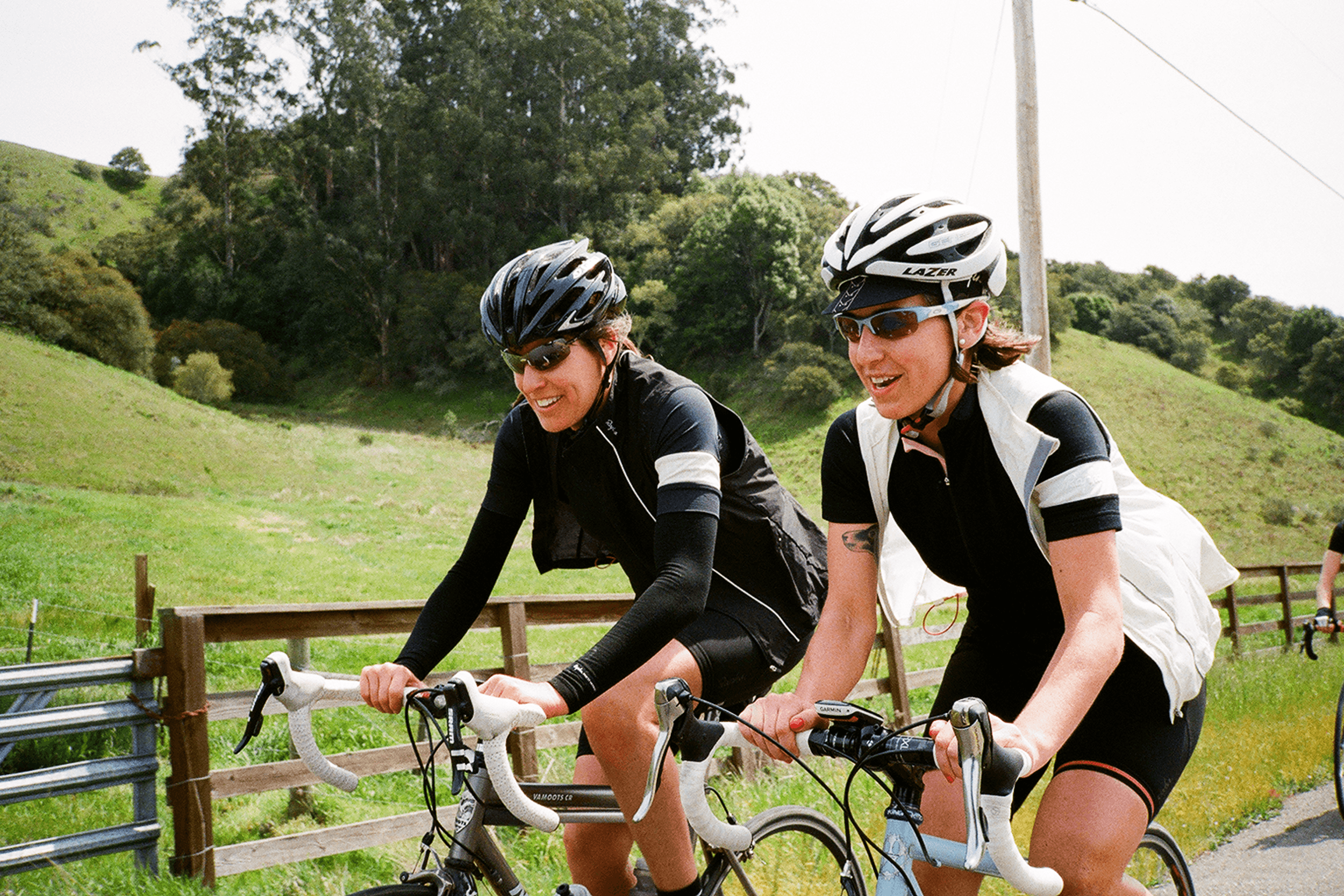
Spring is in the air, and it changes everything: softer light, warmer hands on the bars, and that first ride where the world feels open again. After months of winter routines, being outside is the reward - not a test. Let the early weeks be about enjoying the movement, finding your rhythm on real roads, and letting fresh air and longer days pull you back into the season, one ride at a time.
Spring is in the air, and it changes everything: softer light, warmer hands on the bars, and that first ride where the world feels open again. After months of winter routines, being outside is the reward - not a test. Let the early weeks be about enjoying the movement, finding your rhythm on real roads, and letting fresh air and longer days pull you back into the season, one ride at a time.
Spring is in the air, and it changes everything: softer light, warmer hands on the bars, and that first ride where the world feels open again. After months of winter routines, being outside is the reward - not a test. Let the early weeks be about enjoying the movement, finding your rhythm on real roads, and letting fresh air and longer days pull you back into the season, one ride at a time.

JOIN amène votre pratique du cyclisme au niveau supérieur
Vous cherchez une façon plus intelligente de vous entraîner ? JOIN crée des programmes de cyclisme personnalisés en fonction de vos objectifs et de votre progression, garantissant que vous êtes toujours sur la bonne voie.
JOIN amène votre pratique du cyclisme au niveau supérieur
Vous cherchez une façon plus intelligente de vous entraîner ? JOIN crée des programmes de cyclisme personnalisés en fonction de vos objectifs et de votre progression, garantissant que vous êtes toujours sur la bonne voie.
JOIN amène votre pratique du cyclisme au niveau supérieur
Vous cherchez une façon plus intelligente de vous entraîner ? JOIN crée des programmes de cyclisme personnalisés en fonction de vos objectifs et de votre progression, garantissant que vous êtes toujours sur la bonne voie.
Start with a two-week transition block
The most common spring mistake is doing too much too soon, especially once the sun is out and the group rides start calling. To avoid the classic “spring surge → fatigue → plateau,” treat the first two weeks as a transition phase.
Keep your week simple: include one purposeful quality session, one longer endurance ride, and make the rest genuinely easy. This structure is enough to stimulate progress while giving your body time to adapt to outdoor variability.
Keep easy rides truly easy
Outdoor “easy” rides can quietly creep into moderate effort because of hills, wind, or riding with others. But easy rides are where your body absorbs training and builds durability. If they turn into “kind of hard,” fatigue accumulates, and the quality days stop working.
A simple way to keep it honest is to ride by feel and aim for a conversational pace. If you use heart rate or power, stay in your endurance zone and let the numbers go on short climbs. Let the pace drop when it needs to. Easy is not lazy. It is the foundation.
That foundation is what lets you bring intensity back without burning through your early-season energy.
Bring back intensity and volume (without blowing up)
When you’re back outside, it’s tempting to ride every climb like it’s mid-season. Resist that. Early spring is about controlled work that rebuilds outdoor legs.
Start with steady efforts: tempo and sub-threshold before you add high-intensity intervals.
Keep the hard parts planned, not accidental. Smooth pacing now makes harder sessions feel better later.
At the same time, rebuild your long-ride engine gradually.
Add a bit of time each week instead of jumping straight to epic days.
Every few weeks, pull back slightly so you absorb the work and come back fresher.
That combination, steady intensity plus progressive endurance, is what turns early-season motivation into real fitness.
Fuel earlier than you think
A big reason riders feel “off” outside is fuelling. Outdoor rides are often longer and more variable, with more surges and higher total energy cost. If you wait until you’re hungry, you’re already behind. Start eating earlier on longer rides and hard days, and don’t be afraid of carbs, especially when the goal is performance and consistency. Better fueling improves workout quality, recovery, and how you feel day-to-day.
Use group rides without wrecking your week
Group rides are one of the best parts of spring. They’re also the fastest way to turn every week into a string of hard efforts. The simplest rule: treat a hard group ride as your “hard day,” not an extra one. If you do a spirited ride, make the day before or after easier. This is how you get the fun of the group ride while still improving. When every ride is a race, nothing improves for long.
Update your training inputs for spring
Season changes are a good moment to refresh the basics. Small updates like keeping your weight current and making sure your FTP or heart-rate threshold is realistic help your training targets stay accurate. The more accurate your inputs, the better your plan fits your current fitness.
How JOIN adapts to your outdoor riding
As you move outside, JOIN adjusts with you. If your rides get longer, it shifts your upcoming sessions to protect recovery and keep your weekly load steady. If you end up riding harder than planned, a windy day, punchy climbs, or a fast group ride, JOIN adapts your next workouts so you still progress without turning every day into a grind. Keep logging what you do, and let JOIN guide the next step while the outdoor miles build your fitness. Spring is where momentum starts. Reset smart now, and you’ll ride stronger all season.
Start with a two-week transition block
The most common spring mistake is doing too much too soon, especially once the sun is out and the group rides start calling. To avoid the classic “spring surge → fatigue → plateau,” treat the first two weeks as a transition phase.
Keep your week simple: include one purposeful quality session, one longer endurance ride, and make the rest genuinely easy. This structure is enough to stimulate progress while giving your body time to adapt to outdoor variability.
Keep easy rides truly easy
Outdoor “easy” rides can quietly creep into moderate effort because of hills, wind, or riding with others. But easy rides are where your body absorbs training and builds durability. If they turn into “kind of hard,” fatigue accumulates, and the quality days stop working.
A simple way to keep it honest is to ride by feel and aim for a conversational pace. If you use heart rate or power, stay in your endurance zone and let the numbers go on short climbs. Let the pace drop when it needs to. Easy is not lazy. It is the foundation.
That foundation is what lets you bring intensity back without burning through your early-season energy.
Bring back intensity and volume (without blowing up)
When you’re back outside, it’s tempting to ride every climb like it’s mid-season. Resist that. Early spring is about controlled work that rebuilds outdoor legs.
Start with steady efforts: tempo and sub-threshold before you add high-intensity intervals.
Keep the hard parts planned, not accidental. Smooth pacing now makes harder sessions feel better later.
At the same time, rebuild your long-ride engine gradually.
Add a bit of time each week instead of jumping straight to epic days.
Every few weeks, pull back slightly so you absorb the work and come back fresher.
That combination, steady intensity plus progressive endurance, is what turns early-season motivation into real fitness.
Fuel earlier than you think
A big reason riders feel “off” outside is fuelling. Outdoor rides are often longer and more variable, with more surges and higher total energy cost. If you wait until you’re hungry, you’re already behind. Start eating earlier on longer rides and hard days, and don’t be afraid of carbs, especially when the goal is performance and consistency. Better fueling improves workout quality, recovery, and how you feel day-to-day.
Use group rides without wrecking your week
Group rides are one of the best parts of spring. They’re also the fastest way to turn every week into a string of hard efforts. The simplest rule: treat a hard group ride as your “hard day,” not an extra one. If you do a spirited ride, make the day before or after easier. This is how you get the fun of the group ride while still improving. When every ride is a race, nothing improves for long.
Update your training inputs for spring
Season changes are a good moment to refresh the basics. Small updates like keeping your weight current and making sure your FTP or heart-rate threshold is realistic help your training targets stay accurate. The more accurate your inputs, the better your plan fits your current fitness.
How JOIN adapts to your outdoor riding
As you move outside, JOIN adjusts with you. If your rides get longer, it shifts your upcoming sessions to protect recovery and keep your weekly load steady. If you end up riding harder than planned, a windy day, punchy climbs, or a fast group ride, JOIN adapts your next workouts so you still progress without turning every day into a grind. Keep logging what you do, and let JOIN guide the next step while the outdoor miles build your fitness. Spring is where momentum starts. Reset smart now, and you’ll ride stronger all season.
Start with a two-week transition block
The most common spring mistake is doing too much too soon, especially once the sun is out and the group rides start calling. To avoid the classic “spring surge → fatigue → plateau,” treat the first two weeks as a transition phase.
Keep your week simple: include one purposeful quality session, one longer endurance ride, and make the rest genuinely easy. This structure is enough to stimulate progress while giving your body time to adapt to outdoor variability.
Keep easy rides truly easy
Outdoor “easy” rides can quietly creep into moderate effort because of hills, wind, or riding with others. But easy rides are where your body absorbs training and builds durability. If they turn into “kind of hard,” fatigue accumulates, and the quality days stop working.
A simple way to keep it honest is to ride by feel and aim for a conversational pace. If you use heart rate or power, stay in your endurance zone and let the numbers go on short climbs. Let the pace drop when it needs to. Easy is not lazy. It is the foundation.
That foundation is what lets you bring intensity back without burning through your early-season energy.
Bring back intensity and volume (without blowing up)
When you’re back outside, it’s tempting to ride every climb like it’s mid-season. Resist that. Early spring is about controlled work that rebuilds outdoor legs.
Start with steady efforts: tempo and sub-threshold before you add high-intensity intervals.
Keep the hard parts planned, not accidental. Smooth pacing now makes harder sessions feel better later.
At the same time, rebuild your long-ride engine gradually.
Add a bit of time each week instead of jumping straight to epic days.
Every few weeks, pull back slightly so you absorb the work and come back fresher.
That combination, steady intensity plus progressive endurance, is what turns early-season motivation into real fitness.
Fuel earlier than you think
A big reason riders feel “off” outside is fuelling. Outdoor rides are often longer and more variable, with more surges and higher total energy cost. If you wait until you’re hungry, you’re already behind. Start eating earlier on longer rides and hard days, and don’t be afraid of carbs, especially when the goal is performance and consistency. Better fueling improves workout quality, recovery, and how you feel day-to-day.
Use group rides without wrecking your week
Group rides are one of the best parts of spring. They’re also the fastest way to turn every week into a string of hard efforts. The simplest rule: treat a hard group ride as your “hard day,” not an extra one. If you do a spirited ride, make the day before or after easier. This is how you get the fun of the group ride while still improving. When every ride is a race, nothing improves for long.
Update your training inputs for spring
Season changes are a good moment to refresh the basics. Small updates like keeping your weight current and making sure your FTP or heart-rate threshold is realistic help your training targets stay accurate. The more accurate your inputs, the better your plan fits your current fitness.
How JOIN adapts to your outdoor riding
As you move outside, JOIN adjusts with you. If your rides get longer, it shifts your upcoming sessions to protect recovery and keep your weekly load steady. If you end up riding harder than planned, a windy day, punchy climbs, or a fast group ride, JOIN adapts your next workouts so you still progress without turning every day into a grind. Keep logging what you do, and let JOIN guide the next step while the outdoor miles build your fitness. Spring is where momentum starts. Reset smart now, and you’ll ride stronger all season.
Articles plus pertinents
Découvrez de précieux conseils d'entraînement pour améliorer vos performances à vélo.


Articles plus pertinents
Découvrez de précieux conseils d'entraînement pour améliorer vos performances à vélo.
Articles plus pertinents
Découvrez de précieux conseils d'entraînement pour améliorer vos performances à vélo.

Libérez votre potentiel cycliste dès aujourd'hui
Rejoignez des milliers de cyclistes qui ont amélioré leurs performances grâce aux plans d'entraînement de JOIN.
Libérez votre potentiel cycliste dès aujourd'hui
Rejoignez des milliers de cyclistes qui ont amélioré leurs performances grâce aux plans d'entraînement de JOIN.
En vous inscrivant, vous acceptez nos Conditions générales et notre Politique de confidentialité.
Libérez votre potentiel cycliste dès aujourd'hui
Rejoignez des milliers de cyclistes qui ont amélioré leurs performances grâce aux plans d'entraînement de JOIN.
En vous inscrivant, vous acceptez nos Conditions générales et notre Politique de confidentialité.