What the Giro teaches us about targeting your efforts
May 29, 2026
What the Giro teaches us about targeting your efforts
May 29, 2026
What the Giro teaches us about targeting your efforts
May 29, 2026
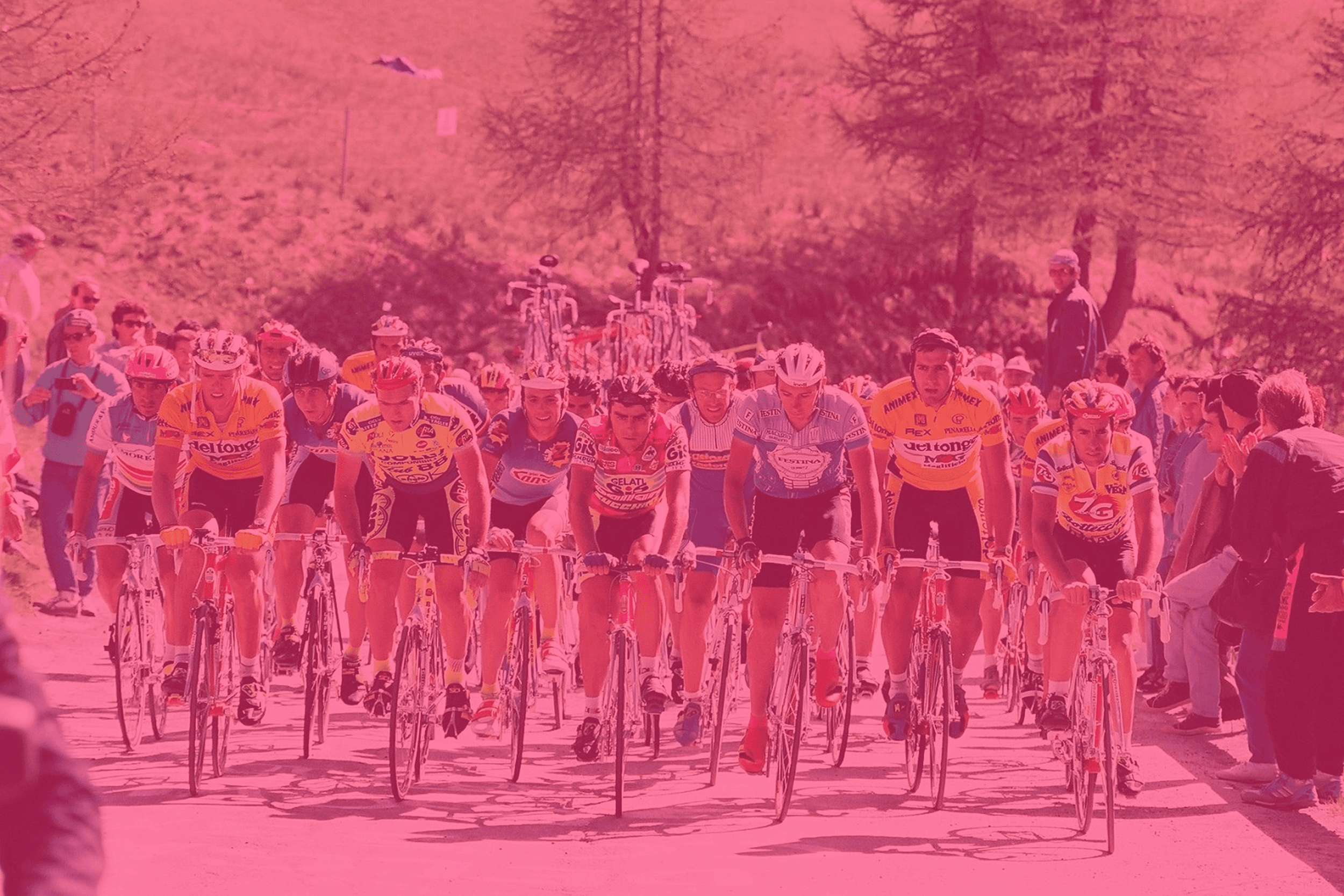
Every year, the Giro reminds us just how brutal professional cycling can be. Stage after stage, riders face long climbs, brutal weather, tactical battles, and accumulated fatigue that builds over three weeks. From the outside, it can look like the strongest riders are simply the ones who suffer most. But watch closely and something else becomes clear: the best riders in the world do not go all-out every single day. They pick their moments.
That might be the most useful thing amateur cyclists can take from the Giro. Not that suffering builds fitness, but that knowing when to push, and when to genuinely hold back, is what separates riders who improve from riders who just stay tired.
Every year, the Giro reminds us just how brutal professional cycling can be. Stage after stage, riders face long climbs, brutal weather, tactical battles, and accumulated fatigue that builds over three weeks. From the outside, it can look like the strongest riders are simply the ones who suffer most. But watch closely and something else becomes clear: the best riders in the world do not go all-out every single day. They pick their moments.
That might be the most useful thing amateur cyclists can take from the Giro. Not that suffering builds fitness, but that knowing when to push, and when to genuinely hold back, is what separates riders who improve from riders who just stay tired.
Every year, the Giro reminds us just how brutal professional cycling can be. Stage after stage, riders face long climbs, brutal weather, tactical battles, and accumulated fatigue that builds over three weeks. From the outside, it can look like the strongest riders are simply the ones who suffer most. But watch closely and something else becomes clear: the best riders in the world do not go all-out every single day. They pick their moments.
That might be the most useful thing amateur cyclists can take from the Giro. Not that suffering builds fitness, but that knowing when to push, and when to genuinely hold back, is what separates riders who improve from riders who just stay tired.

JOIN amène votre pratique du cyclisme au niveau supérieur
Vous cherchez une façon plus intelligente de vous entraîner ? JOIN crée des programmes de cyclisme personnalisés en fonction de vos objectifs et de votre progression, garantissant que vous êtes toujours sur la bonne voie.
JOIN amène votre pratique du cyclisme au niveau supérieur
Vous cherchez une façon plus intelligente de vous entraîner ? JOIN crée des programmes de cyclisme personnalisés en fonction de vos objectifs et de votre progression, garantissant que vous êtes toujours sur la bonne voie.
JOIN amène votre pratique du cyclisme au niveau supérieur
Vous cherchez une façon plus intelligente de vous entraîner ? JOIN crée des programmes de cyclisme personnalisés en fonction de vos objectifs et de votre progression, garantissant que vous êtes toujours sur la bonne voie.
What happens when there is no structure guiding you
Without an adaptive plan, it’s easy to make training up as you go: push hard when you feel good, ride through fatigue when you don’t, and end up either skipping sessions or grinding through them feeling terrible.
That pattern is more common than most cyclists admit. Without structure, every session becomes a judgement call, and those decisions are usually based on how you feel in the moment rather than what your body needs across the week.
Scientific research consistently shows that athletes who follow a structured, periodised training plan stick with it longer and stay more motivated than those who train without one. A study by Clemente-Suárez and colleagues at Universidad Europea de Madrid and Universidade de Évora (2021, International Journal of Environmental Research and Public Health) followed 30 amateur endurance athletes over eight weeks across three approaches: traditional periodisation, reverse periodisation, and free (unstructured) training. The unstructured group was the only one to lose participants to drop-out, and rated their motivation significantly lower (7.4/10) than the planned groups (8.0 and 9.2/10). This fits a broader pattern in the literature: more than 50% of people who start a training programme drop out within six months, mostly due to a lack of visible progress or loss of motivation (Berger, Pargman & Weinberg, 2002; Matsumoto & Takenaka, 2004) - exactly the things a clear plan with progression and milestones is designed to prevent. In other words: training without a plan isn’t just less effective, it’s the approach people are most likely to abandon.
Fatigue can hide your fitness
One of the biggest mistakes cyclists make is assuming that feeling tired means they are training well. Heavy legs, low motivation, poor sleep, and struggling through every workout can feel like proof that you are working hard enough. But too much fatigue can actually hide your fitness. You may be getting stronger underneath, but if recovery never comes, you never get to feel it.
The riders who reach the final week of the Giro with genuine legs under them are never the ones who attacked every stage. They are the ones who managed their energy carefully, stayed within themselves on the days that did not matter, and saved their best for the moments that did. Your training week works the same way.
Hard days only work when easy days support them
Think of a well-structured training week like a Giro stage plan. The big mountain stage only works because the team conserved energy in the flat stages before it. Nobody accidentally has great legs on a summit finish. It was planned for.
Your target sessions work exactly the same way. When easy days are genuinely easy, you arrive at hard sessions fresher, hit the efforts properly, and actually absorb the stimulus. That cycle, stress followed by recovery followed by adaptation, is how fitness accumulates across weeks and months. Compress the recovery part, and the whole thing stalls. You get the fatigue without the gains.
Recovery is active preparation
A flat or transitional stage in the Giro is not dead time. Riders eat well, stay hydrated, keep the legs ticking over without taxing them, and mentally prepare for what is coming. Every easier day is deliberate preparation for the next target day.
Amateur cyclists can take the same approach. An easy day might mean a genuinely short, slow spin. It might mean prioritising sleep, eating well, or simply not adding more stress to an already full week. Your life adds load too. A hard day at work, poor sleep, or a stressful stretch can all affect your ability to recover from training. A smart plan accounts for all of that, not just the hours on the bike.
The bigger goal stays in focus
Nobody wins the Giro by treating every stage like the final stage. The riders who contend for the overall manage energy across three weeks and keep the bigger picture in mind. Amateur cyclists can learn a lot from that.
Your goal is not to win every workout. Your goal is to get fitter over time. That means some sessions are about building fitness, some are about maintaining rhythm, and some are about recovering so the next block can be better. The closer you get to an event or goal, the more tempting it becomes to do too much. But arriving tired is not the same as arriving prepared.
How JOIN helps you train with this structure
JOIN is built around exactly this idea. Your plan is not designed to make every ride feel hard. It is designed to make the right rides hard, and to make the easier days genuinely serve a purpose.
With JOIN, workouts are based on your goal, your level, and your real availability. Some sessions will challenge you. Some will build endurance at lower intensity. Some will be short and easy by design. And the plan adapts based on how you are actually responding, so if you are carrying more fatigue than expected, it adjusts rather than pushing you into a hole.
The structure is there. But it bends to fit real life, because real life does not always cooperate.
The takeaway
The best riders in the Giro do not succeed by going hard every single day. They succeed by knowing exactly which days to target, and by protecting everything else around those moments.
Amateur cyclists can do exactly the same. You just need a plan that knows which days should be hard, which should be easy, and how to adjust when life gets in the way. Give your body the right conditions and it will turn the hard work into actual progress.
What happens when there is no structure guiding you
Without an adaptive plan, it’s easy to make training up as you go: push hard when you feel good, ride through fatigue when you don’t, and end up either skipping sessions or grinding through them feeling terrible.
That pattern is more common than most cyclists admit. Without structure, every session becomes a judgement call, and those decisions are usually based on how you feel in the moment rather than what your body needs across the week.
Scientific research consistently shows that athletes who follow a structured, periodised training plan stick with it longer and stay more motivated than those who train without one. A study by Clemente-Suárez and colleagues at Universidad Europea de Madrid and Universidade de Évora (2021, International Journal of Environmental Research and Public Health) followed 30 amateur endurance athletes over eight weeks across three approaches: traditional periodisation, reverse periodisation, and free (unstructured) training. The unstructured group was the only one to lose participants to drop-out, and rated their motivation significantly lower (7.4/10) than the planned groups (8.0 and 9.2/10). This fits a broader pattern in the literature: more than 50% of people who start a training programme drop out within six months, mostly due to a lack of visible progress or loss of motivation (Berger, Pargman & Weinberg, 2002; Matsumoto & Takenaka, 2004) - exactly the things a clear plan with progression and milestones is designed to prevent. In other words: training without a plan isn’t just less effective, it’s the approach people are most likely to abandon.
Fatigue can hide your fitness
One of the biggest mistakes cyclists make is assuming that feeling tired means they are training well. Heavy legs, low motivation, poor sleep, and struggling through every workout can feel like proof that you are working hard enough. But too much fatigue can actually hide your fitness. You may be getting stronger underneath, but if recovery never comes, you never get to feel it.
The riders who reach the final week of the Giro with genuine legs under them are never the ones who attacked every stage. They are the ones who managed their energy carefully, stayed within themselves on the days that did not matter, and saved their best for the moments that did. Your training week works the same way.
Hard days only work when easy days support them
Think of a well-structured training week like a Giro stage plan. The big mountain stage only works because the team conserved energy in the flat stages before it. Nobody accidentally has great legs on a summit finish. It was planned for.
Your target sessions work exactly the same way. When easy days are genuinely easy, you arrive at hard sessions fresher, hit the efforts properly, and actually absorb the stimulus. That cycle, stress followed by recovery followed by adaptation, is how fitness accumulates across weeks and months. Compress the recovery part, and the whole thing stalls. You get the fatigue without the gains.
Recovery is active preparation
A flat or transitional stage in the Giro is not dead time. Riders eat well, stay hydrated, keep the legs ticking over without taxing them, and mentally prepare for what is coming. Every easier day is deliberate preparation for the next target day.
Amateur cyclists can take the same approach. An easy day might mean a genuinely short, slow spin. It might mean prioritising sleep, eating well, or simply not adding more stress to an already full week. Your life adds load too. A hard day at work, poor sleep, or a stressful stretch can all affect your ability to recover from training. A smart plan accounts for all of that, not just the hours on the bike.
The bigger goal stays in focus
Nobody wins the Giro by treating every stage like the final stage. The riders who contend for the overall manage energy across three weeks and keep the bigger picture in mind. Amateur cyclists can learn a lot from that.
Your goal is not to win every workout. Your goal is to get fitter over time. That means some sessions are about building fitness, some are about maintaining rhythm, and some are about recovering so the next block can be better. The closer you get to an event or goal, the more tempting it becomes to do too much. But arriving tired is not the same as arriving prepared.
How JOIN helps you train with this structure
JOIN is built around exactly this idea. Your plan is not designed to make every ride feel hard. It is designed to make the right rides hard, and to make the easier days genuinely serve a purpose.
With JOIN, workouts are based on your goal, your level, and your real availability. Some sessions will challenge you. Some will build endurance at lower intensity. Some will be short and easy by design. And the plan adapts based on how you are actually responding, so if you are carrying more fatigue than expected, it adjusts rather than pushing you into a hole.
The structure is there. But it bends to fit real life, because real life does not always cooperate.
The takeaway
The best riders in the Giro do not succeed by going hard every single day. They succeed by knowing exactly which days to target, and by protecting everything else around those moments.
Amateur cyclists can do exactly the same. You just need a plan that knows which days should be hard, which should be easy, and how to adjust when life gets in the way. Give your body the right conditions and it will turn the hard work into actual progress.
What happens when there is no structure guiding you
Without an adaptive plan, it’s easy to make training up as you go: push hard when you feel good, ride through fatigue when you don’t, and end up either skipping sessions or grinding through them feeling terrible.
That pattern is more common than most cyclists admit. Without structure, every session becomes a judgement call, and those decisions are usually based on how you feel in the moment rather than what your body needs across the week.
Scientific research consistently shows that athletes who follow a structured, periodised training plan stick with it longer and stay more motivated than those who train without one. A study by Clemente-Suárez and colleagues at Universidad Europea de Madrid and Universidade de Évora (2021, International Journal of Environmental Research and Public Health) followed 30 amateur endurance athletes over eight weeks across three approaches: traditional periodisation, reverse periodisation, and free (unstructured) training. The unstructured group was the only one to lose participants to drop-out, and rated their motivation significantly lower (7.4/10) than the planned groups (8.0 and 9.2/10). This fits a broader pattern in the literature: more than 50% of people who start a training programme drop out within six months, mostly due to a lack of visible progress or loss of motivation (Berger, Pargman & Weinberg, 2002; Matsumoto & Takenaka, 2004) - exactly the things a clear plan with progression and milestones is designed to prevent. In other words: training without a plan isn’t just less effective, it’s the approach people are most likely to abandon.
Fatigue can hide your fitness
One of the biggest mistakes cyclists make is assuming that feeling tired means they are training well. Heavy legs, low motivation, poor sleep, and struggling through every workout can feel like proof that you are working hard enough. But too much fatigue can actually hide your fitness. You may be getting stronger underneath, but if recovery never comes, you never get to feel it.
The riders who reach the final week of the Giro with genuine legs under them are never the ones who attacked every stage. They are the ones who managed their energy carefully, stayed within themselves on the days that did not matter, and saved their best for the moments that did. Your training week works the same way.
Hard days only work when easy days support them
Think of a well-structured training week like a Giro stage plan. The big mountain stage only works because the team conserved energy in the flat stages before it. Nobody accidentally has great legs on a summit finish. It was planned for.
Your target sessions work exactly the same way. When easy days are genuinely easy, you arrive at hard sessions fresher, hit the efforts properly, and actually absorb the stimulus. That cycle, stress followed by recovery followed by adaptation, is how fitness accumulates across weeks and months. Compress the recovery part, and the whole thing stalls. You get the fatigue without the gains.
Recovery is active preparation
A flat or transitional stage in the Giro is not dead time. Riders eat well, stay hydrated, keep the legs ticking over without taxing them, and mentally prepare for what is coming. Every easier day is deliberate preparation for the next target day.
Amateur cyclists can take the same approach. An easy day might mean a genuinely short, slow spin. It might mean prioritising sleep, eating well, or simply not adding more stress to an already full week. Your life adds load too. A hard day at work, poor sleep, or a stressful stretch can all affect your ability to recover from training. A smart plan accounts for all of that, not just the hours on the bike.
The bigger goal stays in focus
Nobody wins the Giro by treating every stage like the final stage. The riders who contend for the overall manage energy across three weeks and keep the bigger picture in mind. Amateur cyclists can learn a lot from that.
Your goal is not to win every workout. Your goal is to get fitter over time. That means some sessions are about building fitness, some are about maintaining rhythm, and some are about recovering so the next block can be better. The closer you get to an event or goal, the more tempting it becomes to do too much. But arriving tired is not the same as arriving prepared.
How JOIN helps you train with this structure
JOIN is built around exactly this idea. Your plan is not designed to make every ride feel hard. It is designed to make the right rides hard, and to make the easier days genuinely serve a purpose.
With JOIN, workouts are based on your goal, your level, and your real availability. Some sessions will challenge you. Some will build endurance at lower intensity. Some will be short and easy by design. And the plan adapts based on how you are actually responding, so if you are carrying more fatigue than expected, it adjusts rather than pushing you into a hole.
The structure is there. But it bends to fit real life, because real life does not always cooperate.
The takeaway
The best riders in the Giro do not succeed by going hard every single day. They succeed by knowing exactly which days to target, and by protecting everything else around those moments.
Amateur cyclists can do exactly the same. You just need a plan that knows which days should be hard, which should be easy, and how to adjust when life gets in the way. Give your body the right conditions and it will turn the hard work into actual progress.
Articles plus pertinents
Découvrez de précieux conseils d'entraînement pour améliorer vos performances à vélo.


Articles plus pertinents
Découvrez de précieux conseils d'entraînement pour améliorer vos performances à vélo.
Articles plus pertinents
Découvrez de précieux conseils d'entraînement pour améliorer vos performances à vélo.

Libérez votre potentiel cycliste dès aujourd'hui
Rejoignez des milliers de cyclistes qui ont amélioré leurs performances grâce aux plans d'entraînement de JOIN.
Libérez votre potentiel cycliste dès aujourd'hui
Rejoignez des milliers de cyclistes qui ont amélioré leurs performances grâce aux plans d'entraînement de JOIN.
En vous inscrivant, vous acceptez nos Conditions générales et notre Politique de confidentialité.
Libérez votre potentiel cycliste dès aujourd'hui
Rejoignez des milliers de cyclistes qui ont amélioré leurs performances grâce aux plans d'entraînement de JOIN.
En vous inscrivant, vous acceptez nos Conditions générales et notre Politique de confidentialité.