Der Hungerast: Was er ist, warum er passiert und wie du ihn vermeidest

Feb 13, 2026
Der Hungerast: Was er ist, warum er passiert und wie du ihn vermeidest
Feb 13, 2026
Der Hungerast: Was er ist, warum er passiert und wie du ihn vermeidest
Feb 13, 2026
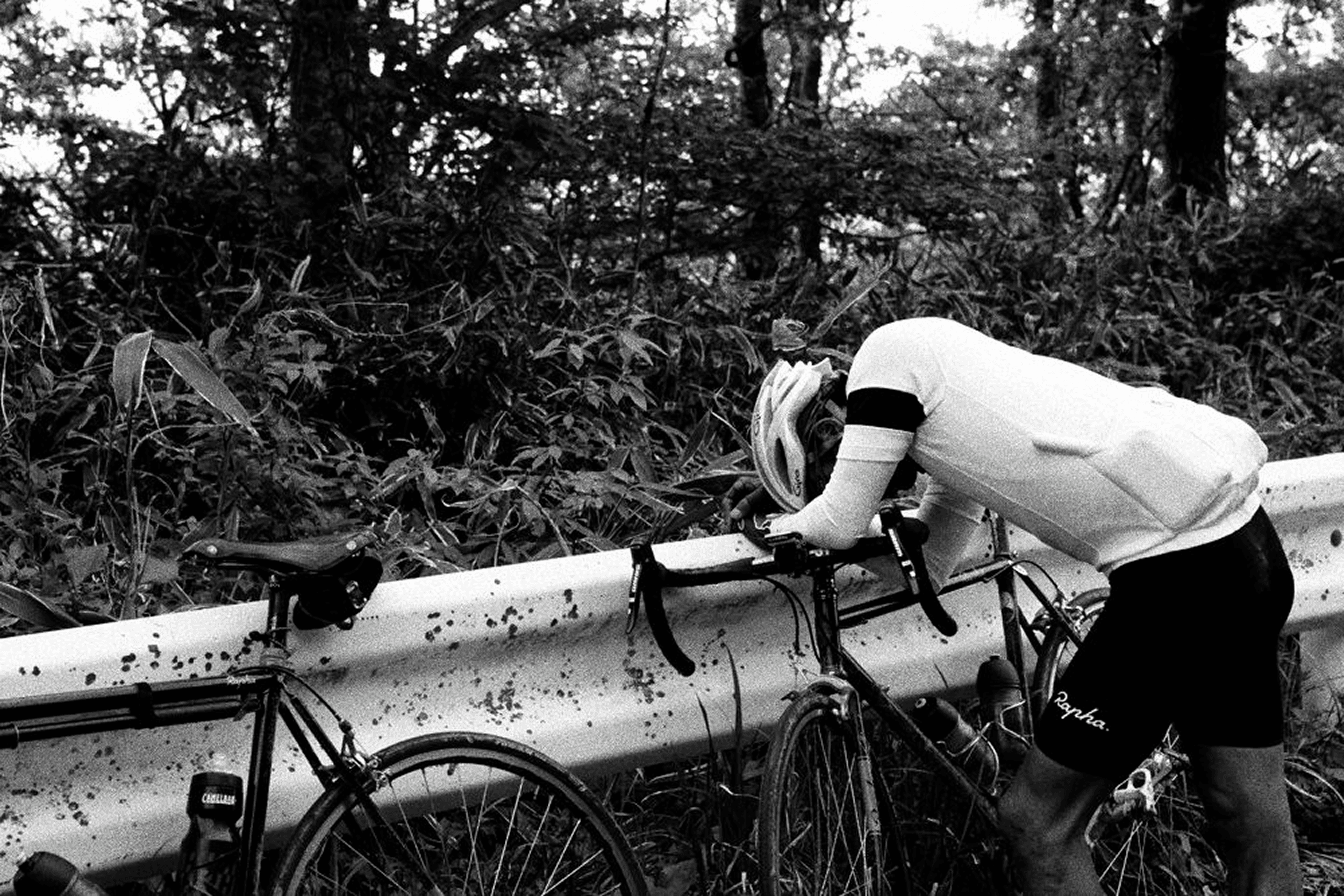
Vom „Hungerast“ sprechen RadfahrerInnen, wenn sie plötzlich von einer extremen Erschöpfung überrollt werden – wenn sich die Beine bleischwer anfühlen, die Energie völlig in den Keller sackt und jeder Tritt in die Pedale zur Qual wird. Es fühlt sich an, als würde man gegen eine Wand fahren, und verwandelt eine tolle Tour in wenigen Minuten in einen echten Überlebenskampf. Das Wichtigste vorab: Ein Hungerast ist keine mentale Schwäche. Es ist schlicht ein Treibstoffproblem.
Was genau ist ein Hungerast beim Radfahren?
Ein Hungerast holt dich ein, wenn die Glykogenspeicher deines Körpers komplett leer sind. Glykogen ist in den Muskeln und in der Leber gespeicherte Kohlenhydrate. Es dient dir als primäre, schnell verfügbare Energiequelle für lange oder intensive Fahrten. Sind diese Speicher erst einmal erschöpft, bricht dein Energielevel ein, deine Leistung sackt ab und es fällt dir plötzlich unglaublich schwer, das Tempo zu halten – selbst im Flachen.
Meistens passiert das, wenn du dich vor oder während der Fahrt nicht ausreichend stärkst. Das kann daran liegen, dass du schon mit zu wenig Energie in eine lange Session startest, vorherige Mahlzeiten ausgelassen hast oder schlicht zu lange mit dem Essen wartest, während du schon im Sattel sitzt.
Vom „Hungerast“ sprechen RadfahrerInnen, wenn sie plötzlich von einer extremen Erschöpfung überrollt werden – wenn sich die Beine bleischwer anfühlen, die Energie völlig in den Keller sackt und jeder Tritt in die Pedale zur Qual wird. Es fühlt sich an, als würde man gegen eine Wand fahren, und verwandelt eine tolle Tour in wenigen Minuten in einen echten Überlebenskampf. Das Wichtigste vorab: Ein Hungerast ist keine mentale Schwäche. Es ist schlicht ein Treibstoffproblem.
Was genau ist ein Hungerast beim Radfahren?
Ein Hungerast holt dich ein, wenn die Glykogenspeicher deines Körpers komplett leer sind. Glykogen ist in den Muskeln und in der Leber gespeicherte Kohlenhydrate. Es dient dir als primäre, schnell verfügbare Energiequelle für lange oder intensive Fahrten. Sind diese Speicher erst einmal erschöpft, bricht dein Energielevel ein, deine Leistung sackt ab und es fällt dir plötzlich unglaublich schwer, das Tempo zu halten – selbst im Flachen.
Meistens passiert das, wenn du dich vor oder während der Fahrt nicht ausreichend stärkst. Das kann daran liegen, dass du schon mit zu wenig Energie in eine lange Session startest, vorherige Mahlzeiten ausgelassen hast oder schlicht zu lange mit dem Essen wartest, während du schon im Sattel sitzt.
Vom „Hungerast“ sprechen RadfahrerInnen, wenn sie plötzlich von einer extremen Erschöpfung überrollt werden – wenn sich die Beine bleischwer anfühlen, die Energie völlig in den Keller sackt und jeder Tritt in die Pedale zur Qual wird. Es fühlt sich an, als würde man gegen eine Wand fahren, und verwandelt eine tolle Tour in wenigen Minuten in einen echten Überlebenskampf. Das Wichtigste vorab: Ein Hungerast ist keine mentale Schwäche. Es ist schlicht ein Treibstoffproblem.
Was genau ist ein Hungerast beim Radfahren?
Ein Hungerast holt dich ein, wenn die Glykogenspeicher deines Körpers komplett leer sind. Glykogen ist in den Muskeln und in der Leber gespeicherte Kohlenhydrate. Es dient dir als primäre, schnell verfügbare Energiequelle für lange oder intensive Fahrten. Sind diese Speicher erst einmal erschöpft, bricht dein Energielevel ein, deine Leistung sackt ab und es fällt dir plötzlich unglaublich schwer, das Tempo zu halten – selbst im Flachen.
Meistens passiert das, wenn du dich vor oder während der Fahrt nicht ausreichend stärkst. Das kann daran liegen, dass du schon mit zu wenig Energie in eine lange Session startest, vorherige Mahlzeiten ausgelassen hast oder schlicht zu lange mit dem Essen wartest, während du schon im Sattel sitzt.

JOIN bringt dein Radtraining weiter
Du willst smarter trainieren? JOIN erstellt personalisierte Radfahr-Trainingspläne basierend auf deinem Ziel und Fortschritt.
JOIN bringt dein Radtraining weiter
Du willst smarter trainieren? JOIN erstellt personalisierte Radfahr-Trainingspläne basierend auf deinem Ziel und Fortschritt.
JOIN bringt dein Radtraining weiter
Du willst smarter trainieren? JOIN erstellt personalisierte Radfahr-Trainingspläne basierend auf deinem Ziel und Fortschritt.
Die Hauptsymptome eines Hungerastes
Ein Hungerast (auch "Bonk" genannt) trifft sowohl den Körper als auch den Kopf. Die häufigsten Anzeichen sind ein plötzlicher Leistungseinbruch mit schweren Beinen, Schwindel oder Zittern sowie Gehirnnebel, der es dir erschwert, dich zu konzentrieren oder Entscheidungen zu treffen. Du fühlst dich vielleicht auch schwach und unkoordiniert, da dein Körper auf die langsamere Fettverbrennung umschaltet. Viele RadfahrerInnen bemerken zudem einen rasenden Puls, während der Körper versucht, den Einbruch auszugleichen. Schließlich kann ein Hungerast auch die Temperaturregulierung stören und zu Kaltschweißigkeit, klammer Haut, Frösteln oder Zittern führen.
Die Wissenschaft hinter dem Hungerast (einfach erklärt)
Glykogen ist der schnelle Treibstoff deines Körpers beim Radfahren – besonders wenn die Intensität steigt, wie bei Anstiegen, Zwischensprints, Gegenwind oder hohem Tempo. Wenn deine Glykogenspeicher zu leer werden, schaltet dein Körper verstärkt auf Fettverbrennung um. Die Fettoxidation kann den sofortigen Energiebedarf bei härterem Training jedoch nicht decken. Gleichzeitig kann der Blutzuckerspiegel deutlich sinken. Da das Gehirn hauptsächlich mit Glukose arbeitet, treten mentale Symptome auf: Verwirrung, Gereiztheit und Konzentrationsschwäche.
Dein Körper schüttet außerdem Stresshormone wie Cortisol und Adrenalin aus, um Energie aus Fett- und Proteinspeichern zu mobilisieren. Diese Reaktion reicht jedoch oft nicht aus, um eine hohe Leistung aufrechtzuerhalten. Sie kann das Gefühl des "Absturzes" – wie Herzrasen, Schwitzen und Zittern – sogar noch verstärken, während deine Muskeln immer noch nicht den benötigten Treibstoff haben.
Wie du einen Hungerast vermeidest
Einem Hungerast beugst du am besten vor, indem du von Anfang an für die richtige Energiezufuhr sorgst. Beginne bereits in den ersten 30–45 Minuten deiner Fahrt mit dem Essen und bleibe konsequent dran. Strebe je nach Intensität und Dauer der Fahrt 30–90 Gramm Kohlenhydrate pro Stunde an.
Als Richtwert gilt: Nimm etwa 30 g pro Stunde bei moderaten Ausdauerfahrten von 1,5–2 Stunden im gleichmäßigen Tempo zu dir. Bei härteren Gruppenfahrten oder Intervalltraining unter 2 Stunden solltest du 60 g pro Stunde anpeilen und bei längeren Fahrten (über 3 Stunden) auf etwa 90 g pro Stunde erhöhen.
Nutze einen Mix aus Gels, Riegeln, Bananen oder kohlenhydrathaltigen Sportgetränken, anstatt dich nur auf Wasser zu verlassen. Achte auf eine ausreichende Flüssigkeitszufuhr und fülle deine Elektrolyte wieder auf, besonders bei langen oder heißen Fahrten. Iss vor der Fahrt – etwa 2–3 Stunden vorher – eine kohlenhydratreiche Mahlzeit (wie Haferflocken, Toast mit Banane oder Reis), um deine Glykogenspeicher optimal aufzufüllen. Die Formel ist einfach: Starte gut versorgt, iss frühzeitig und iss regelmäßig.
Wie du dich von einem Hungerast erholst
Wenn dich der Hungerast erwischt hat, ist es dein oberstes Ziel, dich schnell zu stabilisieren und einen noch tieferen Einbruch zu verhindern.
Anhalten und ausruhen. Sobald du Symptome wie extreme Erschöpfung, Schwindel oder mentalen Nebel bemerkst, solltest du die Fahrt stoppen. Der Versuch, dich einfach durchzubeißen, macht es meist nur noch schlimmer und kann gefährlich werden.
Schnell Energie zuführen. Dein Körper braucht jetzt sofort schnelle Kohlenhydrate, um den Blutzuckerspiegel anzuheben. Greife zu leicht verdaulichen Optionen wie Energiegels, einer Banane oder einem Sportgetränk und ziele auf direkt 20–40 Gramm Kohlenhydrate ab.
Flüssigkeit aufnehmen. Ein Hungerast geht oft mit einer Dehydrierung einher. Trinke Wasser oder im Idealfall ein Sportgetränk mit Elektrolyten, um Flüssigkeit und wichtige Mineralien wie Natrium und Kalium wieder aufzufüllen.
Eine ausgewogene Mahlzeit nach der Fahrt essen. Sobald du dich wieder stabilisiert hast, gönne dir eine richtige Mahlzeit mit Kohlenhydraten, Proteinen und gesunden Fetten. Kohlenhydrate füllen deine Glykogenspeicher wieder auf, Proteine unterstützen die Muskelregeneration und Fette liefern langanhaltende Energie. Ein einfaches Beispiel: Reis oder Nudeln mit magerem Protein und Gemüse.
Ausruhen und regenerieren. Sich von einem echten Hungerast zu erholen, braucht Zeit. Gönne dir 24–48 Stunden Pause, bevor du die nächste intensive Einheit planst, und priorisiere Schlaf, um deine Regeneration zu beschleunigen.
Kann man auch im Training einen Hungerast bekommen?
Ja. Ein Hungerast kann dich im Training genauso kalt erwischen wie am Wettkampftag. Am häufigsten passiert das bei längeren Ausfahrten oder harten Einheiten, bei denen der Energieverbrauch das übersteigt, was du deinem Körper zugeführt hast. Das Risiko ist besonders hoch, wenn du bereits mit fast leeren Glykogenspeichern ins Training startest (ausgelassene Mahlzeiten, zu wenig Essen im Laufe des Tages) oder während des Workouts nichts nachlegst.
Die beste Prävention ist einfach: Setze auf die richtige Ernährung und Flüssigkeitszufuhr und warte nicht erst, bis der große Hunger kommt. Sorge frühzeitig und konsequent für Nachschub und betrachte die Verpflegung als festen Bestandteil deiner Trainingseinheit – denn das ist sie.
Die Hauptsymptome eines Hungerastes
Ein Hungerast (auch "Bonk" genannt) trifft sowohl den Körper als auch den Kopf. Die häufigsten Anzeichen sind ein plötzlicher Leistungseinbruch mit schweren Beinen, Schwindel oder Zittern sowie Gehirnnebel, der es dir erschwert, dich zu konzentrieren oder Entscheidungen zu treffen. Du fühlst dich vielleicht auch schwach und unkoordiniert, da dein Körper auf die langsamere Fettverbrennung umschaltet. Viele RadfahrerInnen bemerken zudem einen rasenden Puls, während der Körper versucht, den Einbruch auszugleichen. Schließlich kann ein Hungerast auch die Temperaturregulierung stören und zu Kaltschweißigkeit, klammer Haut, Frösteln oder Zittern führen.
Die Wissenschaft hinter dem Hungerast (einfach erklärt)
Glykogen ist der schnelle Treibstoff deines Körpers beim Radfahren – besonders wenn die Intensität steigt, wie bei Anstiegen, Zwischensprints, Gegenwind oder hohem Tempo. Wenn deine Glykogenspeicher zu leer werden, schaltet dein Körper verstärkt auf Fettverbrennung um. Die Fettoxidation kann den sofortigen Energiebedarf bei härterem Training jedoch nicht decken. Gleichzeitig kann der Blutzuckerspiegel deutlich sinken. Da das Gehirn hauptsächlich mit Glukose arbeitet, treten mentale Symptome auf: Verwirrung, Gereiztheit und Konzentrationsschwäche.
Dein Körper schüttet außerdem Stresshormone wie Cortisol und Adrenalin aus, um Energie aus Fett- und Proteinspeichern zu mobilisieren. Diese Reaktion reicht jedoch oft nicht aus, um eine hohe Leistung aufrechtzuerhalten. Sie kann das Gefühl des "Absturzes" – wie Herzrasen, Schwitzen und Zittern – sogar noch verstärken, während deine Muskeln immer noch nicht den benötigten Treibstoff haben.
Wie du einen Hungerast vermeidest
Einem Hungerast beugst du am besten vor, indem du von Anfang an für die richtige Energiezufuhr sorgst. Beginne bereits in den ersten 30–45 Minuten deiner Fahrt mit dem Essen und bleibe konsequent dran. Strebe je nach Intensität und Dauer der Fahrt 30–90 Gramm Kohlenhydrate pro Stunde an.
Als Richtwert gilt: Nimm etwa 30 g pro Stunde bei moderaten Ausdauerfahrten von 1,5–2 Stunden im gleichmäßigen Tempo zu dir. Bei härteren Gruppenfahrten oder Intervalltraining unter 2 Stunden solltest du 60 g pro Stunde anpeilen und bei längeren Fahrten (über 3 Stunden) auf etwa 90 g pro Stunde erhöhen.
Nutze einen Mix aus Gels, Riegeln, Bananen oder kohlenhydrathaltigen Sportgetränken, anstatt dich nur auf Wasser zu verlassen. Achte auf eine ausreichende Flüssigkeitszufuhr und fülle deine Elektrolyte wieder auf, besonders bei langen oder heißen Fahrten. Iss vor der Fahrt – etwa 2–3 Stunden vorher – eine kohlenhydratreiche Mahlzeit (wie Haferflocken, Toast mit Banane oder Reis), um deine Glykogenspeicher optimal aufzufüllen. Die Formel ist einfach: Starte gut versorgt, iss frühzeitig und iss regelmäßig.
Wie du dich von einem Hungerast erholst
Wenn dich der Hungerast erwischt hat, ist es dein oberstes Ziel, dich schnell zu stabilisieren und einen noch tieferen Einbruch zu verhindern.
Anhalten und ausruhen. Sobald du Symptome wie extreme Erschöpfung, Schwindel oder mentalen Nebel bemerkst, solltest du die Fahrt stoppen. Der Versuch, dich einfach durchzubeißen, macht es meist nur noch schlimmer und kann gefährlich werden.
Schnell Energie zuführen. Dein Körper braucht jetzt sofort schnelle Kohlenhydrate, um den Blutzuckerspiegel anzuheben. Greife zu leicht verdaulichen Optionen wie Energiegels, einer Banane oder einem Sportgetränk und ziele auf direkt 20–40 Gramm Kohlenhydrate ab.
Flüssigkeit aufnehmen. Ein Hungerast geht oft mit einer Dehydrierung einher. Trinke Wasser oder im Idealfall ein Sportgetränk mit Elektrolyten, um Flüssigkeit und wichtige Mineralien wie Natrium und Kalium wieder aufzufüllen.
Eine ausgewogene Mahlzeit nach der Fahrt essen. Sobald du dich wieder stabilisiert hast, gönne dir eine richtige Mahlzeit mit Kohlenhydraten, Proteinen und gesunden Fetten. Kohlenhydrate füllen deine Glykogenspeicher wieder auf, Proteine unterstützen die Muskelregeneration und Fette liefern langanhaltende Energie. Ein einfaches Beispiel: Reis oder Nudeln mit magerem Protein und Gemüse.
Ausruhen und regenerieren. Sich von einem echten Hungerast zu erholen, braucht Zeit. Gönne dir 24–48 Stunden Pause, bevor du die nächste intensive Einheit planst, und priorisiere Schlaf, um deine Regeneration zu beschleunigen.
Kann man auch im Training einen Hungerast bekommen?
Ja. Ein Hungerast kann dich im Training genauso kalt erwischen wie am Wettkampftag. Am häufigsten passiert das bei längeren Ausfahrten oder harten Einheiten, bei denen der Energieverbrauch das übersteigt, was du deinem Körper zugeführt hast. Das Risiko ist besonders hoch, wenn du bereits mit fast leeren Glykogenspeichern ins Training startest (ausgelassene Mahlzeiten, zu wenig Essen im Laufe des Tages) oder während des Workouts nichts nachlegst.
Die beste Prävention ist einfach: Setze auf die richtige Ernährung und Flüssigkeitszufuhr und warte nicht erst, bis der große Hunger kommt. Sorge frühzeitig und konsequent für Nachschub und betrachte die Verpflegung als festen Bestandteil deiner Trainingseinheit – denn das ist sie.
Die Hauptsymptome eines Hungerastes
Ein Hungerast (auch "Bonk" genannt) trifft sowohl den Körper als auch den Kopf. Die häufigsten Anzeichen sind ein plötzlicher Leistungseinbruch mit schweren Beinen, Schwindel oder Zittern sowie Gehirnnebel, der es dir erschwert, dich zu konzentrieren oder Entscheidungen zu treffen. Du fühlst dich vielleicht auch schwach und unkoordiniert, da dein Körper auf die langsamere Fettverbrennung umschaltet. Viele RadfahrerInnen bemerken zudem einen rasenden Puls, während der Körper versucht, den Einbruch auszugleichen. Schließlich kann ein Hungerast auch die Temperaturregulierung stören und zu Kaltschweißigkeit, klammer Haut, Frösteln oder Zittern führen.
Die Wissenschaft hinter dem Hungerast (einfach erklärt)
Glykogen ist der schnelle Treibstoff deines Körpers beim Radfahren – besonders wenn die Intensität steigt, wie bei Anstiegen, Zwischensprints, Gegenwind oder hohem Tempo. Wenn deine Glykogenspeicher zu leer werden, schaltet dein Körper verstärkt auf Fettverbrennung um. Die Fettoxidation kann den sofortigen Energiebedarf bei härterem Training jedoch nicht decken. Gleichzeitig kann der Blutzuckerspiegel deutlich sinken. Da das Gehirn hauptsächlich mit Glukose arbeitet, treten mentale Symptome auf: Verwirrung, Gereiztheit und Konzentrationsschwäche.
Dein Körper schüttet außerdem Stresshormone wie Cortisol und Adrenalin aus, um Energie aus Fett- und Proteinspeichern zu mobilisieren. Diese Reaktion reicht jedoch oft nicht aus, um eine hohe Leistung aufrechtzuerhalten. Sie kann das Gefühl des "Absturzes" – wie Herzrasen, Schwitzen und Zittern – sogar noch verstärken, während deine Muskeln immer noch nicht den benötigten Treibstoff haben.
Wie du einen Hungerast vermeidest
Einem Hungerast beugst du am besten vor, indem du von Anfang an für die richtige Energiezufuhr sorgst. Beginne bereits in den ersten 30–45 Minuten deiner Fahrt mit dem Essen und bleibe konsequent dran. Strebe je nach Intensität und Dauer der Fahrt 30–90 Gramm Kohlenhydrate pro Stunde an.
Als Richtwert gilt: Nimm etwa 30 g pro Stunde bei moderaten Ausdauerfahrten von 1,5–2 Stunden im gleichmäßigen Tempo zu dir. Bei härteren Gruppenfahrten oder Intervalltraining unter 2 Stunden solltest du 60 g pro Stunde anpeilen und bei längeren Fahrten (über 3 Stunden) auf etwa 90 g pro Stunde erhöhen.
Nutze einen Mix aus Gels, Riegeln, Bananen oder kohlenhydrathaltigen Sportgetränken, anstatt dich nur auf Wasser zu verlassen. Achte auf eine ausreichende Flüssigkeitszufuhr und fülle deine Elektrolyte wieder auf, besonders bei langen oder heißen Fahrten. Iss vor der Fahrt – etwa 2–3 Stunden vorher – eine kohlenhydratreiche Mahlzeit (wie Haferflocken, Toast mit Banane oder Reis), um deine Glykogenspeicher optimal aufzufüllen. Die Formel ist einfach: Starte gut versorgt, iss frühzeitig und iss regelmäßig.
Wie du dich von einem Hungerast erholst
Wenn dich der Hungerast erwischt hat, ist es dein oberstes Ziel, dich schnell zu stabilisieren und einen noch tieferen Einbruch zu verhindern.
Anhalten und ausruhen. Sobald du Symptome wie extreme Erschöpfung, Schwindel oder mentalen Nebel bemerkst, solltest du die Fahrt stoppen. Der Versuch, dich einfach durchzubeißen, macht es meist nur noch schlimmer und kann gefährlich werden.
Schnell Energie zuführen. Dein Körper braucht jetzt sofort schnelle Kohlenhydrate, um den Blutzuckerspiegel anzuheben. Greife zu leicht verdaulichen Optionen wie Energiegels, einer Banane oder einem Sportgetränk und ziele auf direkt 20–40 Gramm Kohlenhydrate ab.
Flüssigkeit aufnehmen. Ein Hungerast geht oft mit einer Dehydrierung einher. Trinke Wasser oder im Idealfall ein Sportgetränk mit Elektrolyten, um Flüssigkeit und wichtige Mineralien wie Natrium und Kalium wieder aufzufüllen.
Eine ausgewogene Mahlzeit nach der Fahrt essen. Sobald du dich wieder stabilisiert hast, gönne dir eine richtige Mahlzeit mit Kohlenhydraten, Proteinen und gesunden Fetten. Kohlenhydrate füllen deine Glykogenspeicher wieder auf, Proteine unterstützen die Muskelregeneration und Fette liefern langanhaltende Energie. Ein einfaches Beispiel: Reis oder Nudeln mit magerem Protein und Gemüse.
Ausruhen und regenerieren. Sich von einem echten Hungerast zu erholen, braucht Zeit. Gönne dir 24–48 Stunden Pause, bevor du die nächste intensive Einheit planst, und priorisiere Schlaf, um deine Regeneration zu beschleunigen.
Kann man auch im Training einen Hungerast bekommen?
Ja. Ein Hungerast kann dich im Training genauso kalt erwischen wie am Wettkampftag. Am häufigsten passiert das bei längeren Ausfahrten oder harten Einheiten, bei denen der Energieverbrauch das übersteigt, was du deinem Körper zugeführt hast. Das Risiko ist besonders hoch, wenn du bereits mit fast leeren Glykogenspeichern ins Training startest (ausgelassene Mahlzeiten, zu wenig Essen im Laufe des Tages) oder während des Workouts nichts nachlegst.
Die beste Prävention ist einfach: Setze auf die richtige Ernährung und Flüssigkeitszufuhr und warte nicht erst, bis der große Hunger kommt. Sorge frühzeitig und konsequent für Nachschub und betrachte die Verpflegung als festen Bestandteil deiner Trainingseinheit – denn das ist sie.
Noch mehr spannende Artikel für dich
Entdecke wertvolle Trainingstipps, um deine Leistung als RadfahrerIn noch weiter zu steigern.


Noch mehr spannende Artikel für dich
Entdecke wertvolle Trainingstipps, um deine Leistung als RadfahrerIn noch weiter zu steigern.
Noch mehr spannende Artikel für dich
Entdecke wertvolle Trainingstipps, um deine Leistung als RadfahrerIn noch weiter zu steigern.

Entfessle noch heute Dein volles RadfahrerInnen-Potenzial
Werde Teil von Tausenden RadfahrerInnen, die ihre Leistung mit den Trainingsplänen von JOIN bereits verbessert haben.
Entfessle noch heute Dein volles RadfahrerInnen-Potenzial
Werde Teil von Tausenden RadfahrerInnen, die ihre Leistung mit den Trainingsplänen von JOIN bereits verbessert haben.
Mit Deiner Anmeldung stimmst Du unseren Allgemeinen Geschäftsbedingungen und unserer Datenschutzerklärung zu.
Entfessle noch heute Dein volles RadfahrerInnen-Potenzial
Werde Teil von Tausenden RadfahrerInnen, die ihre Leistung mit den Trainingsplänen von JOIN bereits verbessert haben.
Mit Deiner Anmeldung stimmst Du unseren Allgemeinen Geschäftsbedingungen und unserer Datenschutzerklärung zu.